
Physical Therapy for Prostate Cancer

Prostate cancer is the most common type of cancer in men over the age 65 but is also found in men in their 40s and 50s. After treatment for prostate cancer, men can experience urinary leaking, sexual dysfunction like erectile dysfunction, and general fatigue and weakness from treatment. Physical therapy plays a key role in […]
Unraveling Persistent Pain: Understanding the Brain’s role
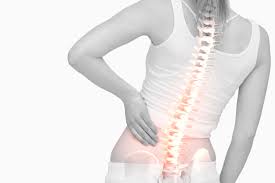
Your Nervous System, the body’s alarm system The human body contains over 400 nerves. 45 miles of nerves travel and connect all body parts like a highway. These nerves have electrical activity traveling through them. The electrical activity goes up or down depending on many factors. Factors that affect our nerves are: stress, movement, nutrition […]
Pelvic Pain – Foundational Concepts Specialty Physical Therapy
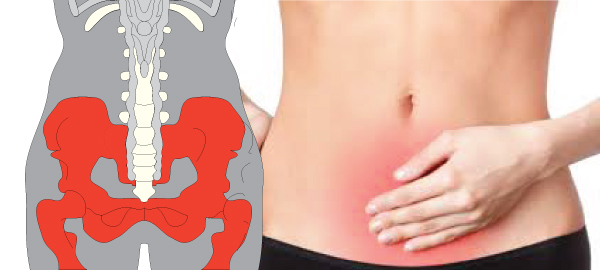
Pain is no doubt part of the human experience. We have all stubbed a toe or fallen and scraped a knee. That type of pain makes sense. It hurts. You may rub it, look at it, and after a day or two it settles down and is no longer sore. Sometimes this pain might linger […]
Chronic Pelvic Pain in Men

Chronic pelvic pain in men is often a challenging population for diagnosis and treatment in the medical community. A majority of the men that I treat come in with a diagnosis of chronic prostatitis. However, infection of the prostate and urinary tract has been ruled out. When is chronic prostatitis not prostatitis? According to the […]
Prostatitis: Not All Types Are the Same

Prostatitis is the number one reason men under the age of 50 visit a urologist. One-third of men during their lifetime will experience symptoms of prostatitis. It is a common diagnosis men receive if they have pain “down there” or a sudden onset of urinary symptoms. Types of Prostatitis There are four different […]
Chronic Pain

Chronic pain is defined as “pain that persists beyond normal healing tissue time, which is generally thought to be between three and six months.”1 Chronic pelvic pain can be caused for many reasons including: trauma, disease pathology (poly-cystic ovarian syndrome, endometriosis, etc.), muscle tension or tone, neurological damage, or surgeries. Typically we think of the […]