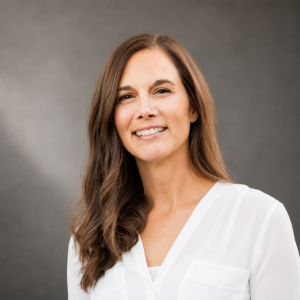


I love my profession and I feel so blessed to have chosen this path at a young age. At the time I had no idea how I much I would truly enjoy it. Not only am I given the opportunity to pick apart the puzzle of musculoskeletal dysfunction and fix it, but I am given the responsibility of restoring hope and providing the care that goes into the body’s ability to heal. This is what I love. I love the change that comes to a woman’s face and posture when I provide an answer to how we can begin the healing process. When I explain where her pain is coming from and how to begin to reduce it. When I listen to her story of how it began, really listen.
When we opened Foundational Concepts 5 years ago, it was because we saw a need. A need to provide a comfortable environment, where patients were given plenty of time one on one with a therapist who was trained to listen. Who was trained to be empathetic. Who was trained to provide hope and care, to help patients heal. We also wanted to provide education to students in the field of physical therapy, so that as they enter the healthcare workforce they too have been educated in the idea of restoring hope and providing the care that goes into healing.
This spring, my business partner Jennifer Cumming and I were given the opportunity to teach a women’s health elective at Rockhurst University Department of Physical Therapy. I cannot begin to say how much I enjoy teaching students. This next blog series is a product of 8 weeks of lectures and labs covering all things pelvic floor. These blogs are the final assignment for the brave, curious women who took our elective to further their knowledge base in pelvic health. I can honestly say I am so humbled by how wonderfully written they are. I am so taken by the care and reflection that went into these blogs. Thank you ladies for making our first semester of teaching so great! Thank you for continuing to provide hope and care to women everywhere as you embark on your journey into a profession that I hope you find to be as rewarding and empowering as I have.
- Sarah Dominguez, PT, MSPT, CLT, WCS