

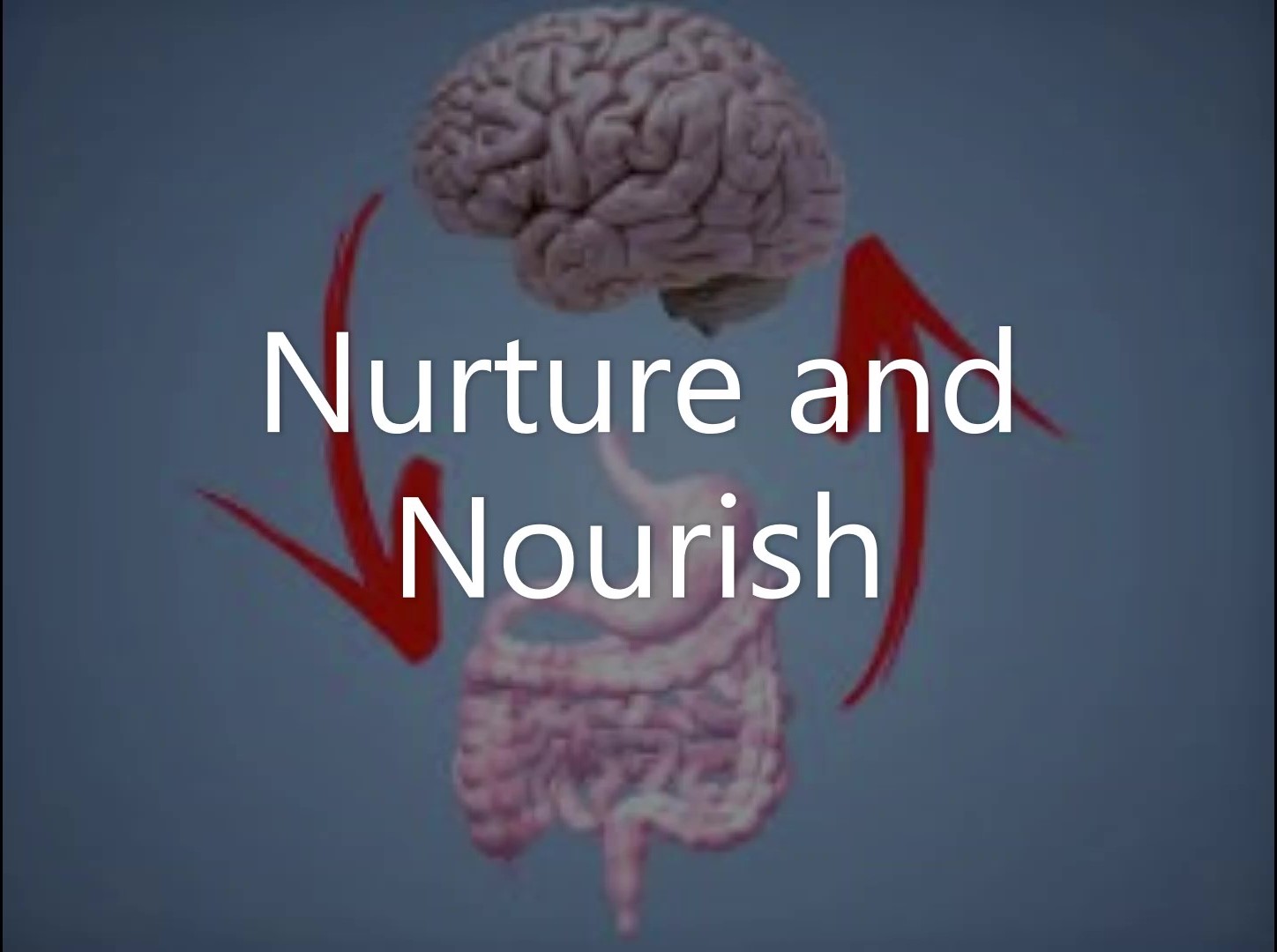
Nourishment of the Gut
Aside from the previous blogs that discussed nutrition, fluid intake and cultured foods for gut health, there are a few other dietary items to help your gut. The addition of bone broth, gelatin, or glutamic acid can help nourish your gut. Sources of glutamic acid include high-protein foods, such as meat, poultry, fish, eggs, and dairy products. Some protein-rich plant foods also supply glutamic acid. Gelatin is a protein derived from collagen. Grass Fed Butter is another way to nourish your gut, containing many vitamins and fatty acids that are good for us. Adding these can help replace the cells of your small intestine, which turn over every 4-5 days. Besides just what we put in, we have to consider how we are nurturing our bodies.
Nurturing the Gut
Things like sleep, meditation, vitamin D (sunshine), exercise, warm drinks, and massage all help nurture and promote a healthy gut. High stress levels can stop the bowel production of mucus, which is needed for proper bowel function.
Environment
Your gut needs a healthy habitat for the good bacteria located there for proper function. Probiotics (Kefir, Kombucha), prebiotic fiber, and fermented vegetables (such as sauerkraut or pickles) can improve gut health click here for our blog on cultured foods.
Energy
Certain nutrients help give the gut enough fuel to function. Grass-fed butter, coconut oil, sea salt, grains that have been soaked/sprouted/sour fermented are great examples of these nutrients.
Meditation and the Gut
Another daily practice that improves gut activity is meditation. Meditation calms the sympathetic nervous system, which is responsible for the “fight or flight” response. This nervous system, when active, actually slows gut activity due to the moving of blood away from the abdomen to other areas of the body that need it more during the fight or flight response. Meditation increases the parasympathetic nervous system, which returns blood to the gut and therefore increases gut activity.
Find a comfortable position (example: laying on your back with legs propped up) and perform deep belly breaths for 10 minutes to calm the sympathetic nervous system and activate the parasympathetic nervous system. A nice, 10 minute walk in nature can be meditative as well. You may find other activities to be calming for you, shooting baskets, coloring, journaling or singing are all ways to take your mind off stress and de-compress.
Mindfulness
Being positive can really help the function of the gut. Your body is listening to your thoughts. To help keep them swinging in a more positive direction, try a gratitude journal where you take note each day of what you are thankful for, what 3 good things happened that day and how you performed random acts of kindness for a loved one, a stranger and yourself. Don’t leave YOU out of the mix!! Doing nice things for ourselves is a great way to show self love and reinforce the good vibes!!!
Remember that if you are suffering with bowel dysfunction, we offer a free 15 minute phone consultation with one of our pelvic specialists to answer questions and see how pelvic floor physical therapy can be beneficial for you. We work to bring an integrative whole person approach to our practice and will work with your on all the lifestyle factors that can help you reach your wellness goals.