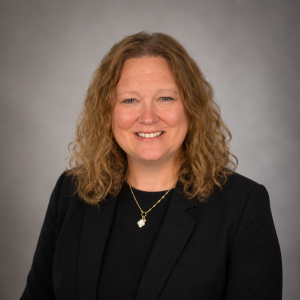

Why do we compare? As women, we often compare ourselves to others. We compare our bodies, our wardrobe, our homes, our families, and even our pregnancies and birth stories. As a Pelvic Physical Therapist and Prenatal Fitness Instructor, I’ve worked with many women that have had challenging pregnancies, difficult births and unfavorable outcomes. All were unique and different experiences. The one thing that each woman had in common is that they wanted the “perfect experience”. Well, although we all want the “perfect pregnancy and birth experience,” the truth is, no one has it. I repeat, “No one has the perfect scenario.” The one thing I try to teach all of my clients is that they need to NOT COMPARE their experience to others.
Education is power, and that’s really what we want. We want the “power” to have the healthiest and easiest pregnancy and birth possible. I love educating women on how to do this. Over the years, I’ve heard many women say, “Why should I read a bunch of books on pregnancy or take a bunch of classes on childbirth?” “Women have babies every day – how can it be that difficult?” Well, this is true. Women do have babies every day, but wouldn’t it be nice to know what can be done to promote the healthiest situation possible? For years I helped teach various childbirth prep classes, including a class called, “Healthy Pregnancy”. Although this particular class covered topics such as proper nutrition and exercise during pregnancy, as well as how to treat conditions such as swollen legs and incontinence, we had difficulty getting women to sign up for the class. Was this because women know everything there is to know about these topics? I don’t think so. In addition, I always felt that there was a lack of education available to the postpartum women. So, in 2012 I developed a class called, “Pelvic Rehab”. This class covers topics such as:
– Incontinence
– Pain with intercourse
– Diastasis recti
– Back/pelvic pain
– Sciatica
– Constipation
I love teaching this class and empowering women with the education they need to combat these issues that many women face after giving birth. There’s no need to compare your situation with that of someone else’s. The only thing that I recommend is to take the time to educate yourself on the condition you’re facing and take care of it now. There are so many conservative treatments than can help you feel good and be the best that you can be.
If you’re struggling with a challenging pregnancy or had a difficult birth and are left with some conditions that are impacting your life, please contact us at Foundational Concepts. Ask when we’re teaching our next Pelvic Rehab class or how to make an appointment with one of our specialized physical therapists. We want to help you have the healthiest pregnancy and birth possible, and it all starts with being educated.
Education is Power!
Shannon DeSalvo, PT, CAPP